
Applications

Flood Protection for Schools and Universities

Campuses have many ground-floor doors spread across several buildings, and a flood often arrives when the site is closed. These are the barriers we suggest for classrooms, halls and campus parking.

Request a QuoteView Products
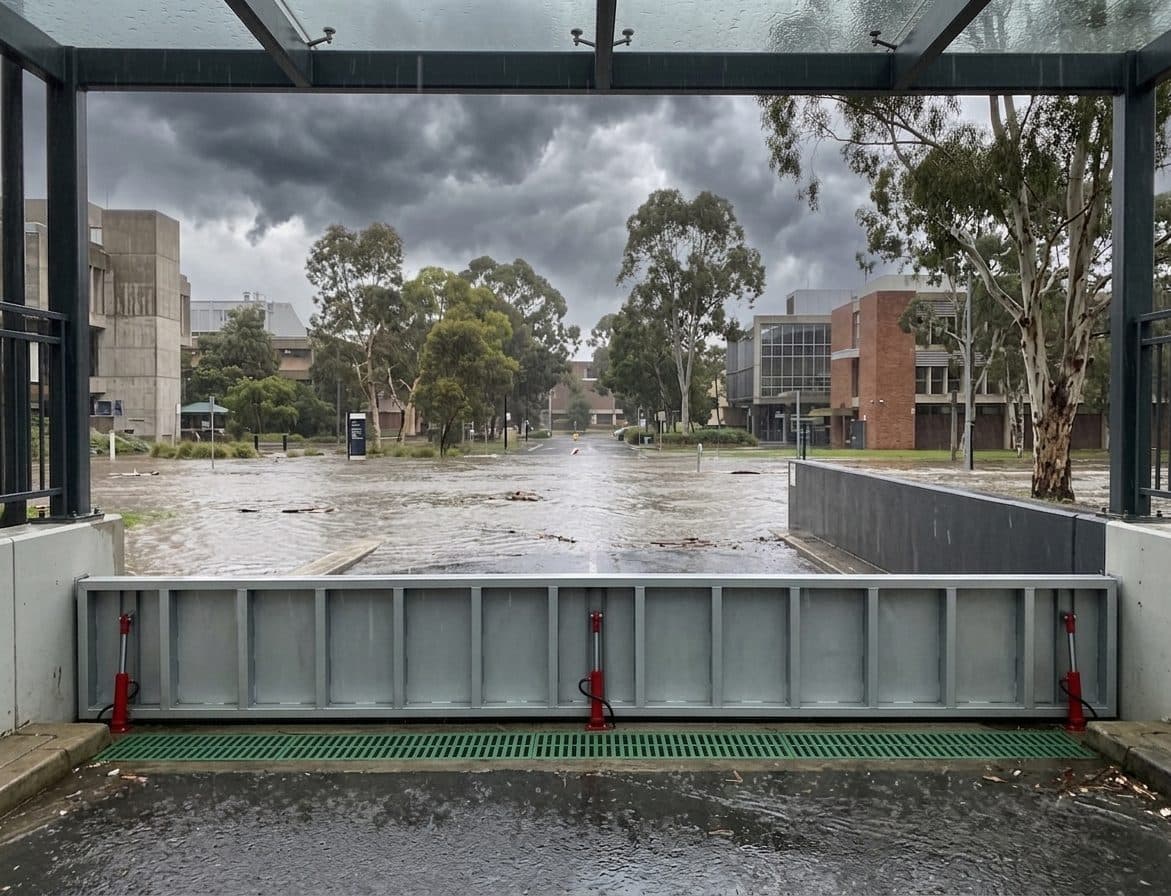
Raised flood barrier at a covered parking entrance on a campus, with floodwater across the grounds and buildings beyond

Where water gets in

The openings to plan for

  • Classroom and hall doors set at or close to ground level
  • Ramps down to underground or undercroft parking
  • Covered walkways and courtyards that channel runoff toward doors
  • Basement libraries, archives and plant rooms

Barriers that suit this site

Products to consider

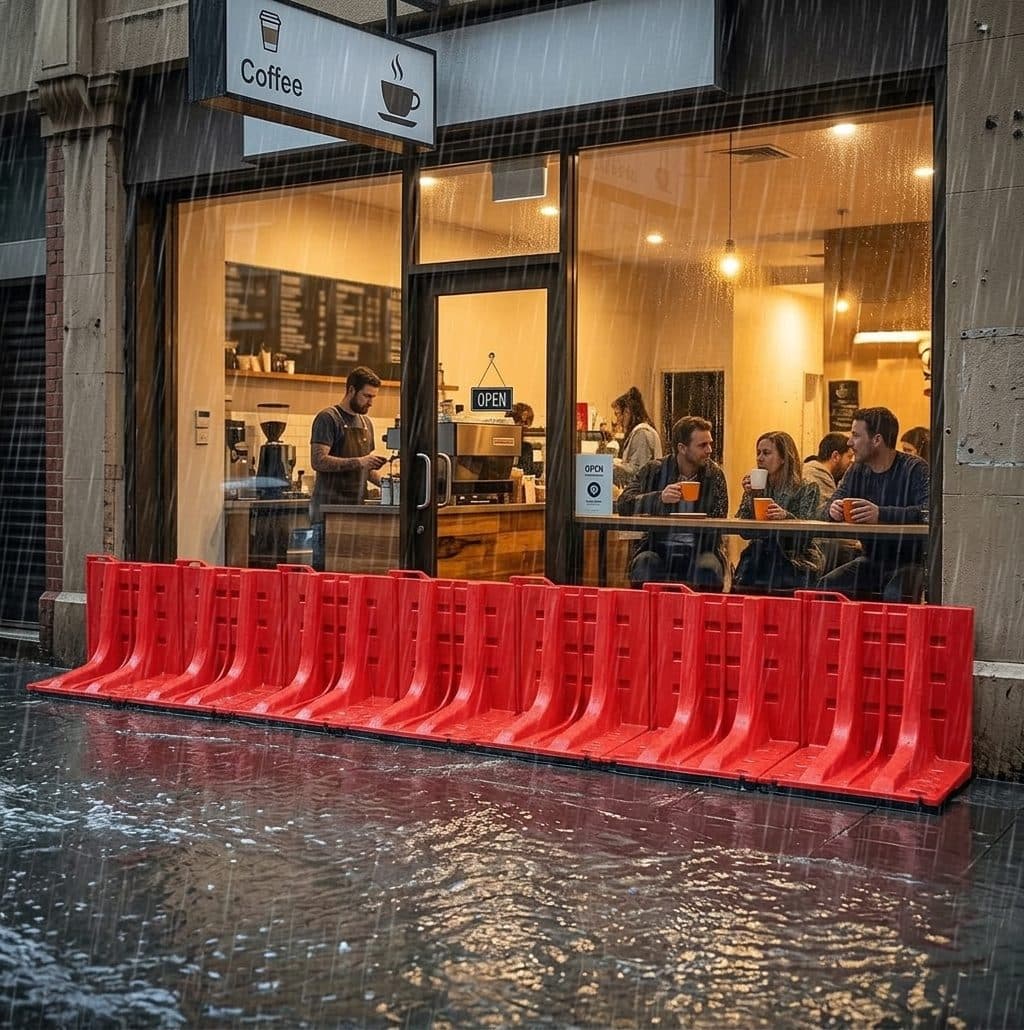
ABS Portable Flood Barriers

ABS Portable Flood Barriers

The L-shaped panels stand freely across an opening with nothing fixed to the building, and lock together side by side by hand. They come in 750 mm, 1,000 mm and 1,200 mm heights in packs of 8, and they hold back and divert water while some seepage can occur.

Best for: Doors across several buildings

View ABS Portable Flood Barriers →
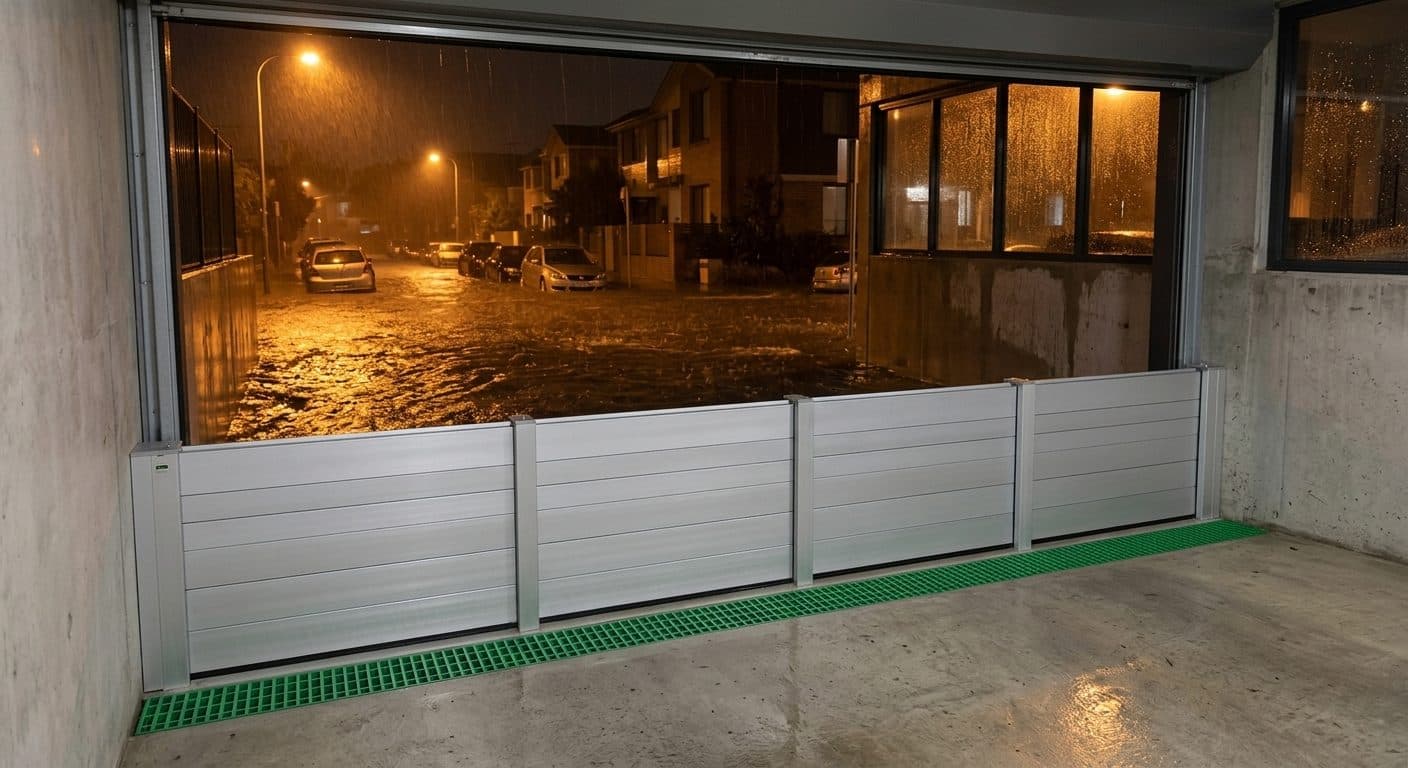
Aluminum Flood Barriers

Aluminum Flood Barriers

Each set is made to the measured opening, with 200 mm (about 8 in) panels stacking up to 2,000 mm (about 6.5 ft). One person can place or remove a set in under 10 minutes, and the opening is clear between events.

Best for: Main entrances and plant rooms

View Aluminum Flood Barriers →
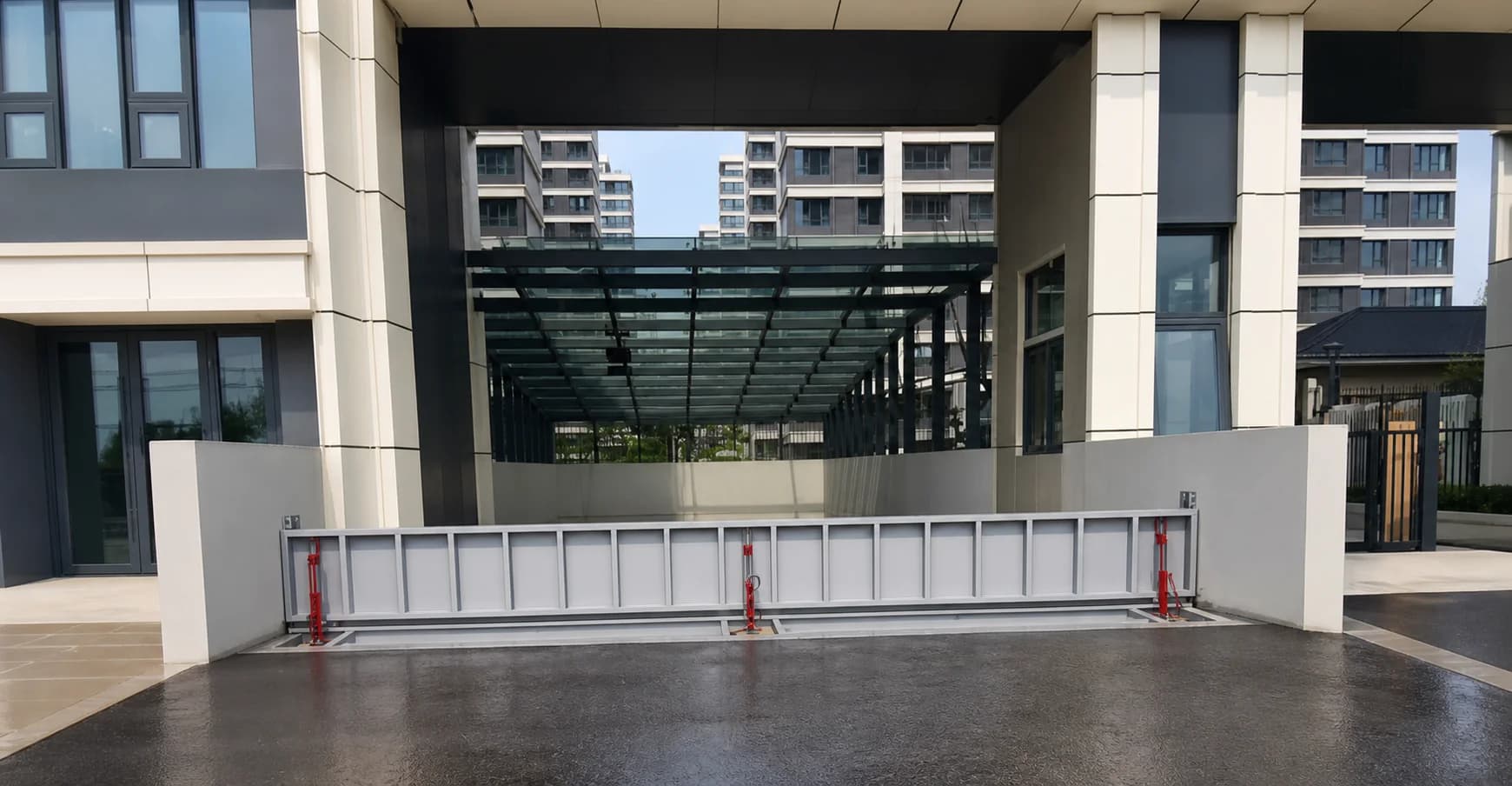
Automatic Flood Barrier System

Automatic Flood Barrier System

Water-level sensing raises the barrier through an electrically powered hydraulic system, so it can act while the campus is closed. The paved top keeps the lowered barrier concealed in the driveway.

Best for: Campus parking entries

View Automatic Flood Barrier System →

Choosing between them

ABS panels need no installation, so one stock can be shared across buildings and carried to wherever water is expected. Aluminum sets need side channels fixed to each opening, which gives a closer fit for doors that are used as main entrances.

For parking entries that cannot wait for staff to arrive, an automatic barrier raises itself when the water reaches its set level. It needs an electrical supply and a control installation.

Tell us how many openings you have, their widths, and where panels could be stored on site. Photos of each door help us suggest the mix.

What we need to quote

  • Width and height of each opening
  • Photos of each opening and the ground on both sides
  • How high the water has reached before, or the flood height to plan for
  • Whether power is available at the opening, and what traffic crosses it
  • The city and country of the site
Request a Quote →

FAQ

Questions we hear about schools and universities

Can school caretakers put the barriers up themselves?
ABS panels and aluminum sets are placed by hand without tools on the day. Aluminum sets need their side channels fitted beforehand. A short practice run before the wet season helps staff know where everything goes.
Where should the barriers be stored?
Ideally in a store room close to the openings they protect, so they can be carried out quickly. ABS panels stack, and aluminum panels are stored flat. We can suggest storage once we know the number of openings.
Will the barriers keep a classroom dry?
The barriers are designed to hold back floodwater at the door, and ABS panels may let some water seep through. Water can also enter through drains or walls, so no barrier prevents all flood damage. They reduce how much water reaches the building.

Send the opening sizes and a few photos.

We reply within 1 business day with a recommendation for each opening and a quote for the whole site.

Request a Quote