
Applications

Flood Walls for Waterfronts, Riverside Paths and Parks

Along a river or harbor, a solid wall blocks the view that makes the place worth visiting. These are the systems we suggest for a permanent flood line that keeps the water in sight, and for the openings in it.

Request a QuoteView Products
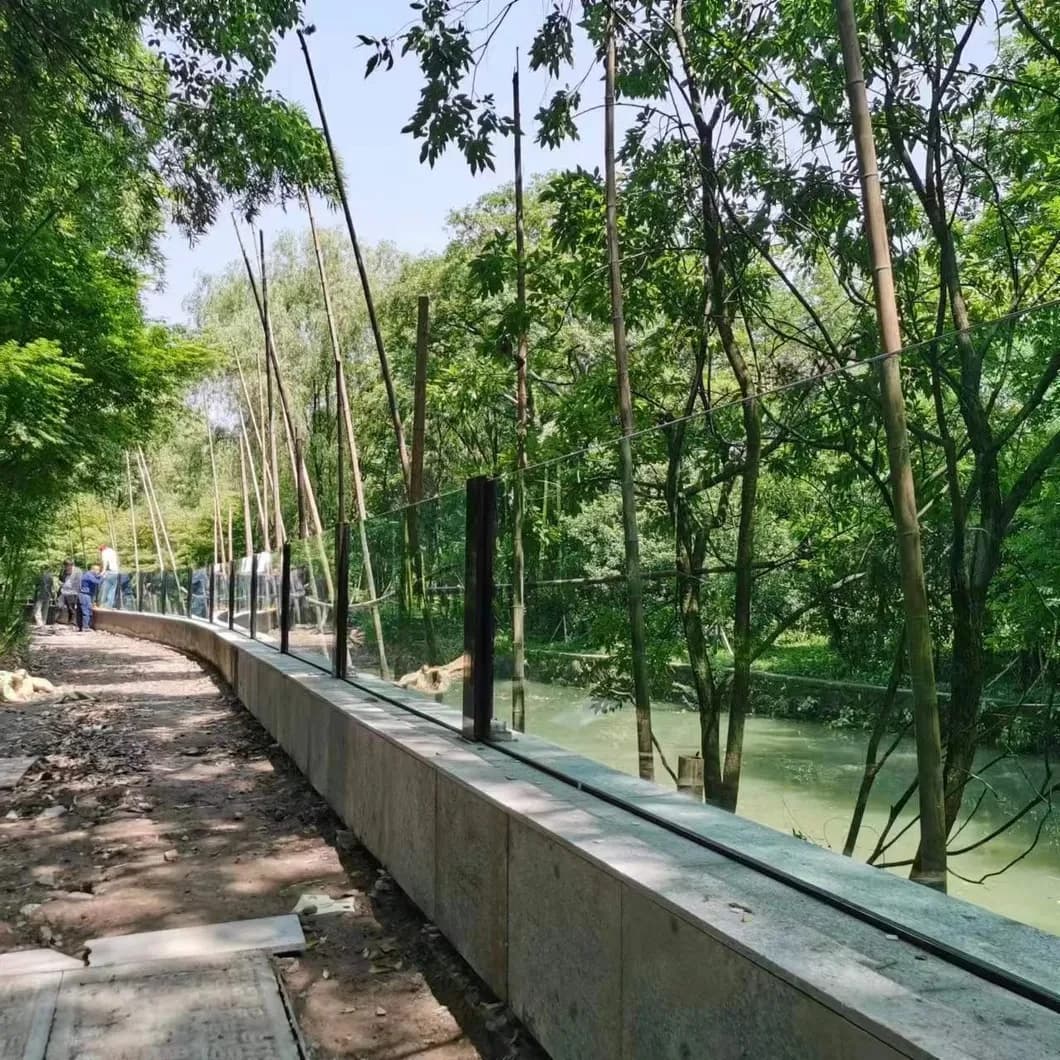
Glass flood wall on a stone base beside a tree-lined riverside path, with the river visible through the panels

Where water gets in

The openings to plan for

  • Low points along the riverbank or embankment edge
  • Gaps in the wall line for paths, ramps and boat access
  • Steps down to the water and pedestrian crossings
  • Stretches where a permanent wall is not yet built

Barriers that suit this site

Products to consider

Glass Flood Walls

Glass Flood Walls

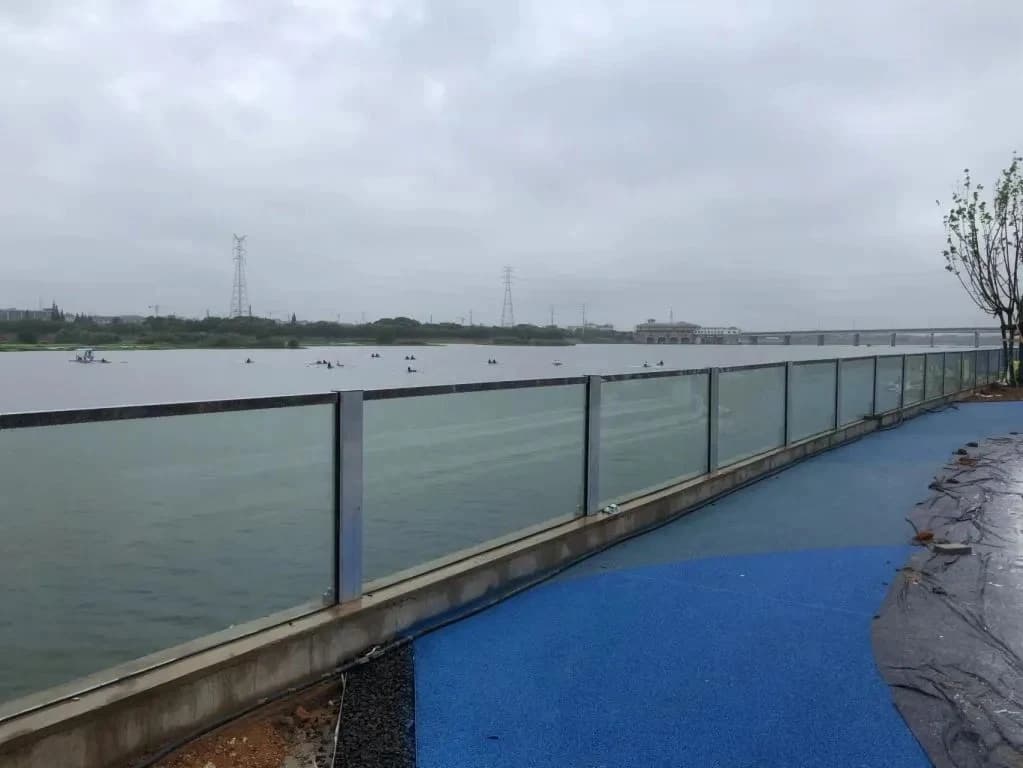
Laminated glass panels sit in aluminum frames and posts, with rubber seals at the panel edges. The wall stays in place on a concrete base or parapet, so there are no panels to put in before a flood, and the height is set for the project.

Best for: Permanent lines where views matter

View Glass Flood Walls →
Aluminum Flood Barriers

Aluminum Flood Barriers

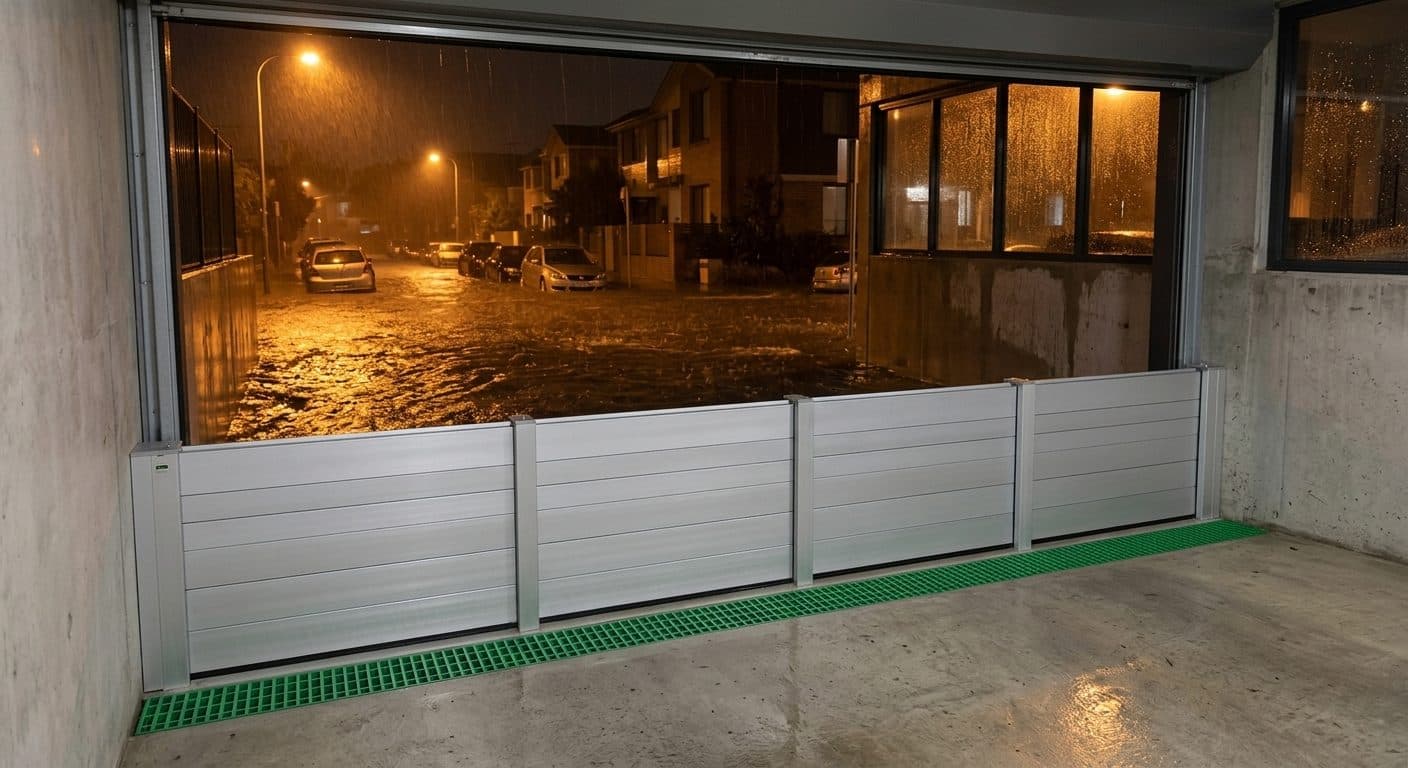
Made-to-measure panels close the access gaps in a wall line, stacking in 200 mm (about 8 in) increments up to 2,000 mm (about 6.5 ft). Between events the panels are removed and the path stays open.

Best for: Path and ramp openings

View Aluminum Flood Barriers →
ABS Portable Flood Barriers

ABS Portable Flood Barriers

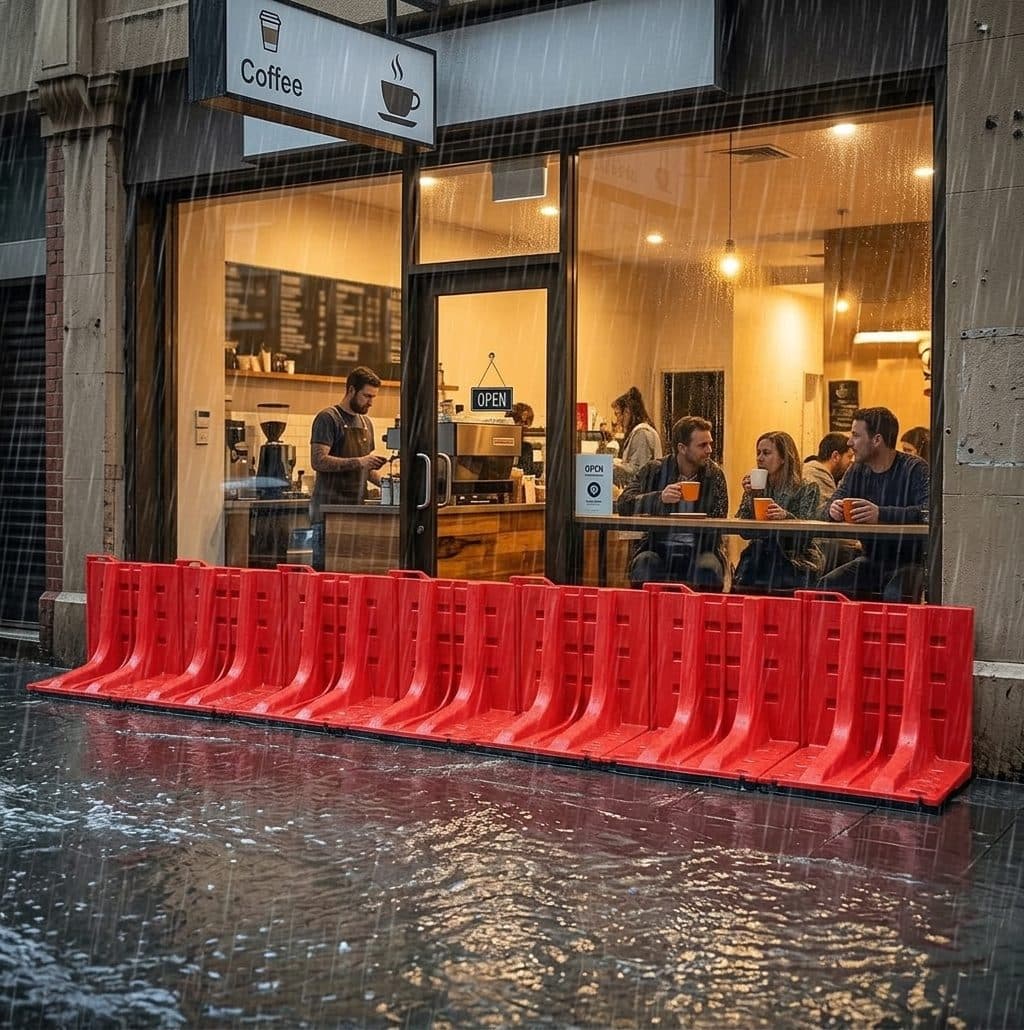
Free-standing straight panels need no anchors, so they can extend a line where nothing is permanent yet. They come in 750 mm, 1,000 mm and 1,200 mm heights, hold back and divert water, and some seepage can occur.

Best for: Temporary extensions

View ABS Portable Flood Barriers →

Choosing between them

Glass suits the main line wherever people walk, sit or look out over the water. The foundations and anchors are designed for each site, so the wall height and panel layout come out of that design work.

Every path through the wall needs a closure. Aluminum sets suit those openings because their side channels can be fixed at the wall ends, and ABS panels can cover stretches where a permanent wall is planned but not yet built.

Send a plan or photos of the waterfront, the length of the line, the number and width of openings, and the design flood level if one has been set.

What we need to quote

  • Width and height of each opening
  • Photos of each opening and the ground on both sides
  • How high the water has reached before, or the flood height to plan for
  • Whether power is available at the opening, and what traffic crosses it
  • The city and country of the site
Request a Quote →

FAQ

Questions we hear about waterfronts, riverside paths and parks

Does a glass flood wall need to be put up before a flood?
No. The glass panels are fixed in position, so the wall is always in place. Only the openings for paths and access need closing when a flood is forecast.
How high can a glass flood wall be?
The height is set for each project, along with the glass thickness and panel span. Those depend on the design flood level and the foundation. We work through them with your engineer before quoting.
Will the wall stop all water reaching the land behind it?
The wall is designed to hold back river or tidal water along its line, with rubber seals at the panel edges. Water can still reach the land through drains, groundwater or the ends of the line, and no barrier prevents all flood damage. Drainage behind the wall should be part of the design.

Send the opening sizes and a few photos.

We reply within 1 business day with a recommendation for each opening and a quote for the whole site.

Request a Quote