

Applications

Flood Barriers for Commercial Buildings and Offices

Office and commercial buildings usually have a glazed lobby, a vehicle entry and several service doors at street level. These are the barriers we propose for each of those openings.

Request a QuoteView Products
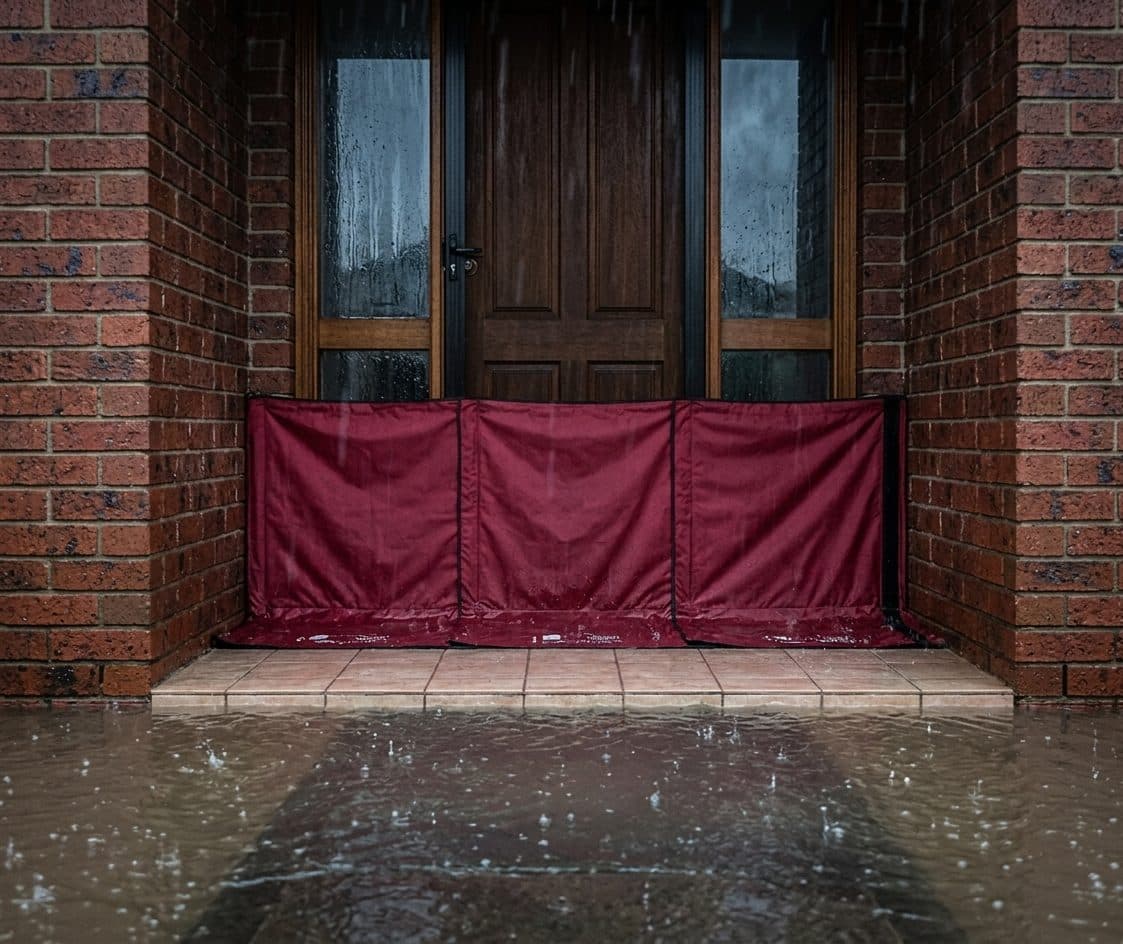
Red fabric flood barrier across the glass entrance of an office building as floodwater runs along the street in heavy rain

Where water gets in

The openings to plan for

  • Glazed lobby entrances and sliding doors at street level
  • Vehicle entries to parking, loading and service areas
  • Service doors and fire exits along the side and rear of the building
  • Ground-floor plant rooms and risers with external doors

Barriers that suit this site

Products to consider

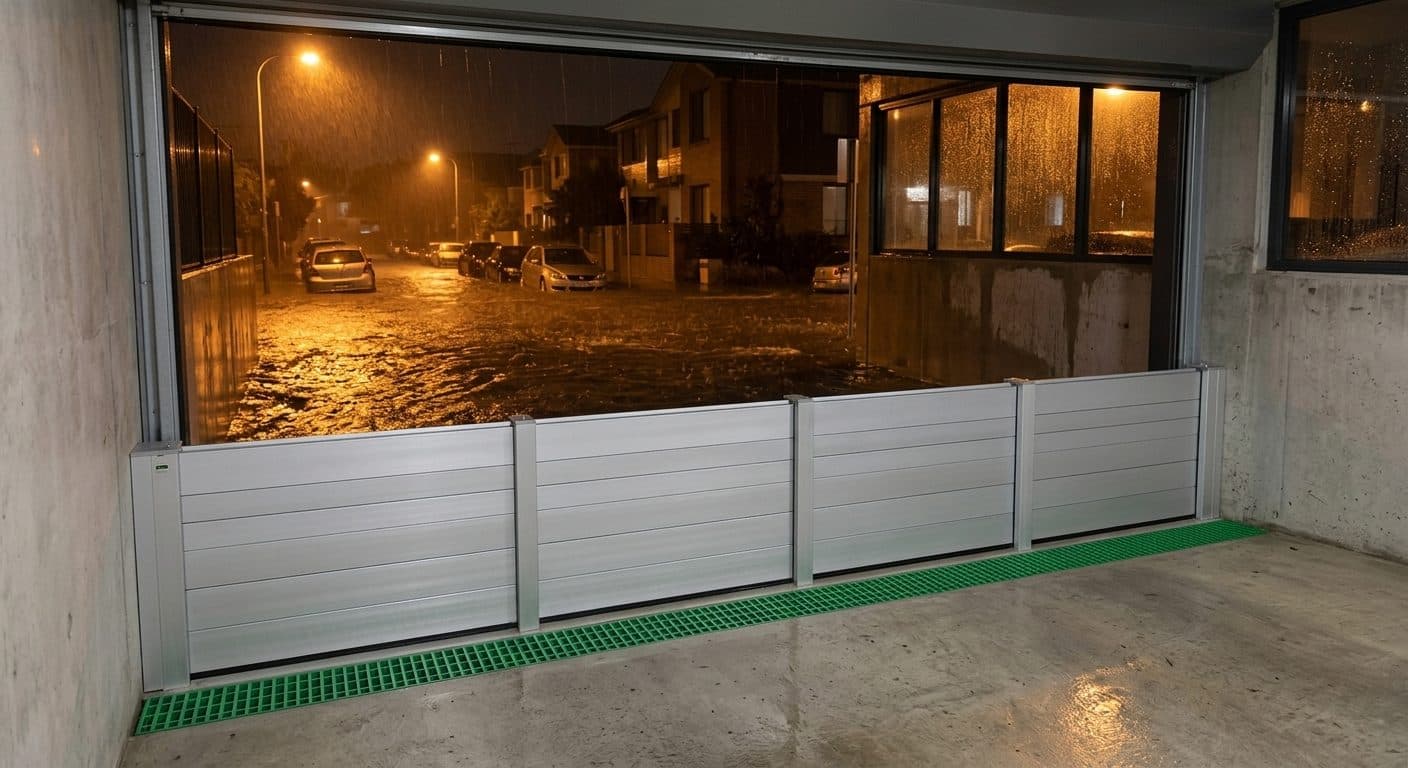
Aluminum Flood Barriers

Aluminum Flood Barriers

Each set is made to measure, so a wide glazed lobby can be closed with a set built to its width, up to 2,000 mm (about 6.5 ft) high. One person can fit or remove a set in under 10 minutes, and the top panel carries a hazard strip so it is visible in poor light.

Best for: Lobby entrances and service doors

View Aluminum Flood Barriers →
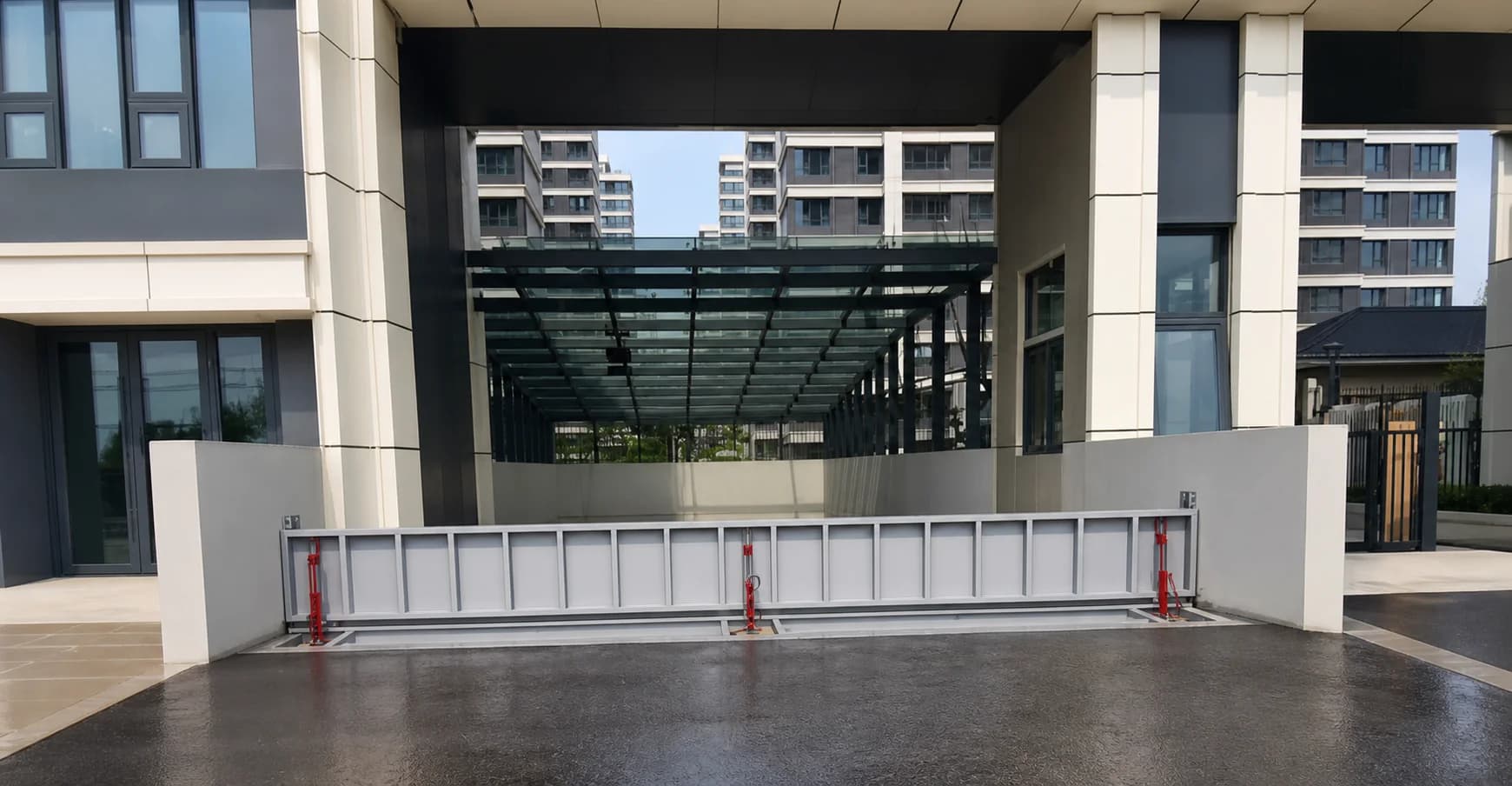
Automatic Flood Barrier System

Automatic Flood Barrier System

A water-level sensor triggers an electrically powered hydraulic barrier across the vehicle entry, and it is lowered and reset by remote control or a central control switch. Its top can be paved, so the driveway looks unchanged in normal use.

Best for: Vehicle entries to parking and loading

View Automatic Flood Barrier System →
Oxford Barriers

Oxford Barriers

The telescopic frame adjusts from 15 cm to 130 cm (about 6 to 51 in) wide, protects up to 900 mm (about 35 in) and sets up without tools. Water pressure presses its base onto the ground, so it works best on flat, smooth surfaces, and minor seepage can occur on uneven ones.

Best for: Single doors and fire exits

View Oxford Barriers →

Choosing between them

Aluminum panels are the usual choice for a building's main entrances, because each set is made for its opening and the seals are clamped against the frame and floor. They need side channels, which are fixed once and stay in place.

Oxford barriers need no fixings. They are useful at doors where channels cannot be fixed to the facade, or as a stock of units that facilities staff carry to wherever water is heading, and they suit flat thresholds best.

If the building has a vehicle entry, an automatic barrier can cover it without anyone on hand, provided power and controls can be run to it.

What we need to quote

  • Width and height of each opening
  • Photos of each opening and the ground on both sides
  • How high the water has reached before, or the flood height to plan for
  • Whether power is available at the opening, and what traffic crosses it
  • The city and country of the site
Request a Quote →

FAQ

Questions we hear about commercial buildings and offices

Do the aluminum barriers change how the entrance looks?
Only the side channels stay in place between events; the panels are stored until they are needed. The aluminum is powder coated, and photos of your entrance help us show you where the channels would sit.
How long does it take to protect the building before a storm?
An aluminum set takes one person under 10 minutes per opening, and an Oxford barrier sets up in minutes without tools. For a building with many doors the total depends on the number of openings and the staff available, so a short written plan of who fits what is worth having.
Can you cover every opening on the building in one quote?
Yes. We can quote a mix, for example aluminum panels at the lobby, an automatic barrier on the vehicle entry and Oxford units for side doors. Send the size and a photo of each opening and we will propose a product for each one.

Send the opening sizes and a few photos.

We reply within 1 business day with a recommendation for each opening and a quote for the whole site.

Request a Quote