
Applications

Flood Protection for Metro and Subway Stations

Station entrances lead straight down to platforms, so street flooding can pour into an underground station within minutes. These are the barriers we suggest for pedestrian entrances, service doors and low openings at street level.

Request a QuoteView Products
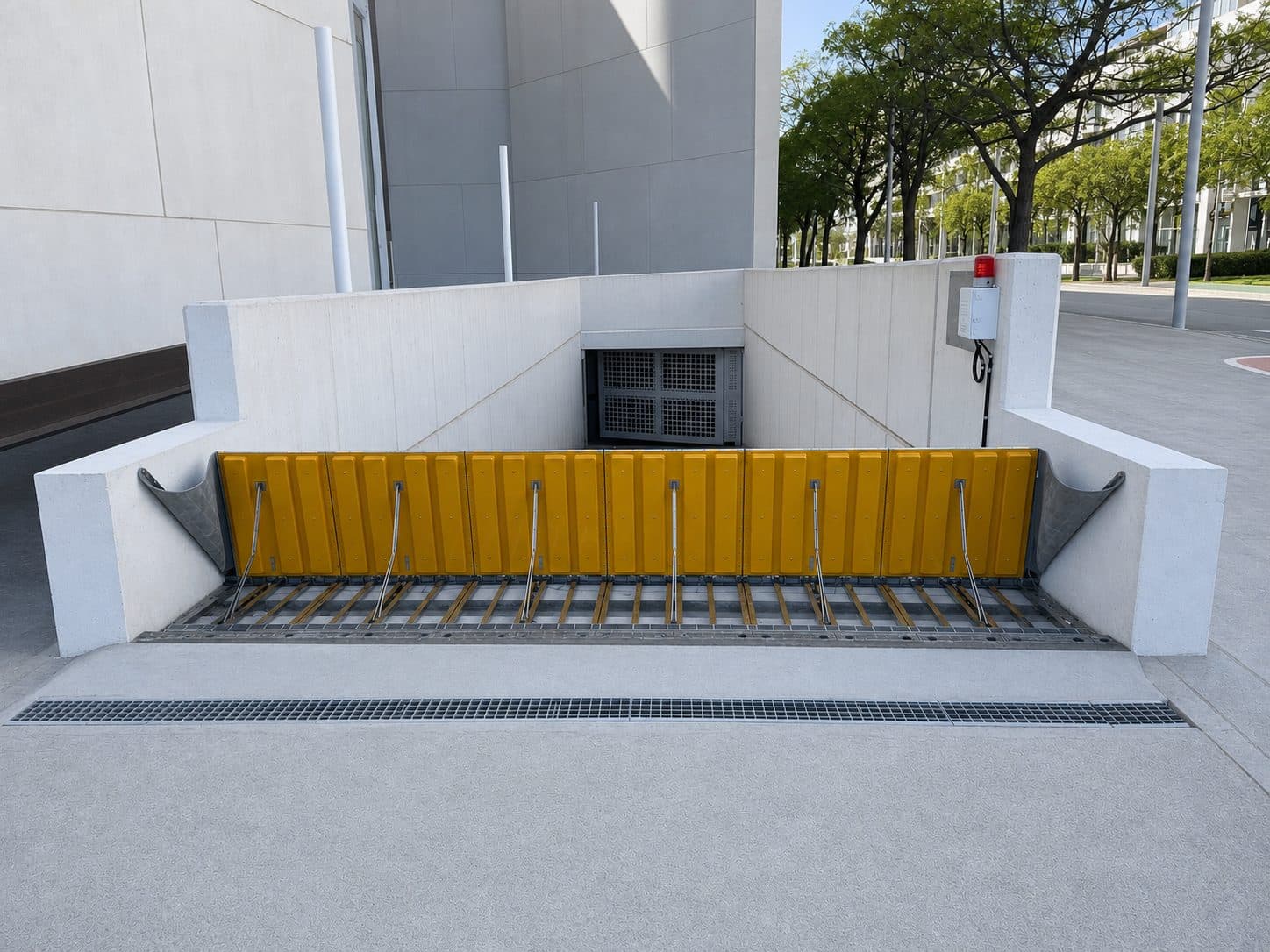
Yellow passive flood barrier panel raised across a paved pedestrian entrance, with water held behind it

Where water gets in

The openings to plan for

  • Stair and escalator entrances from the street
  • Lift shafts and lift lobbies at street level
  • Service and maintenance doors to plant rooms
  • Ventilation and access openings close to the ground

Barriers that suit this site

Products to consider

Hydrodynamic Passive Flood Barrier

Hydrodynamic Passive Flood Barrier

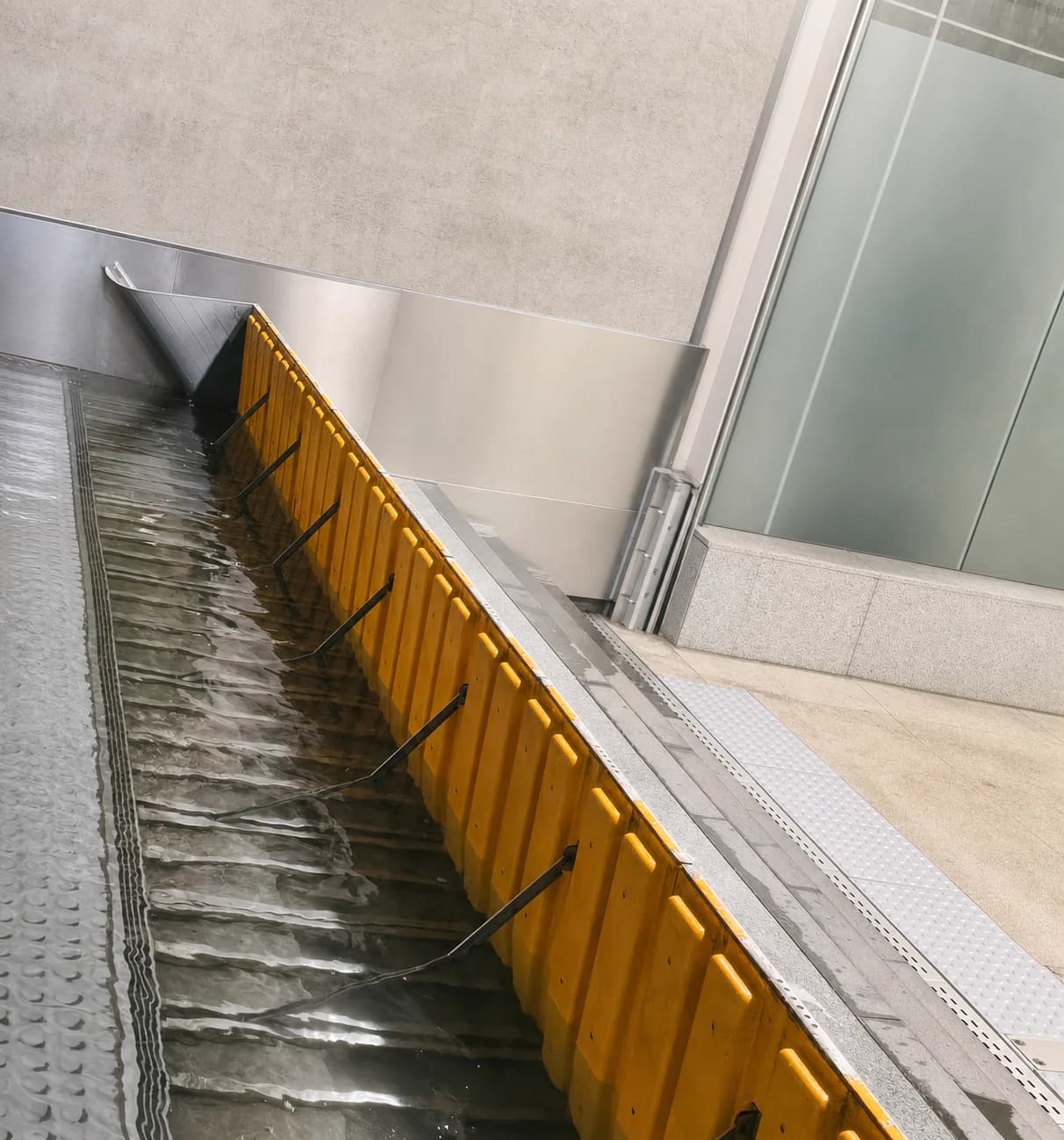
The panel lies flush in the entrance floor and rises on the floodwater, with no power or operator needed. Protection heights run from 0.6 m to 1.2 m (about 2 ft to 4 ft), and it lowers under its own weight as the water recedes.

Best for: Pedestrian entrances

View Hydrodynamic Passive Flood Barrier →
Aluminum Flood Barriers

Aluminum Flood Barriers

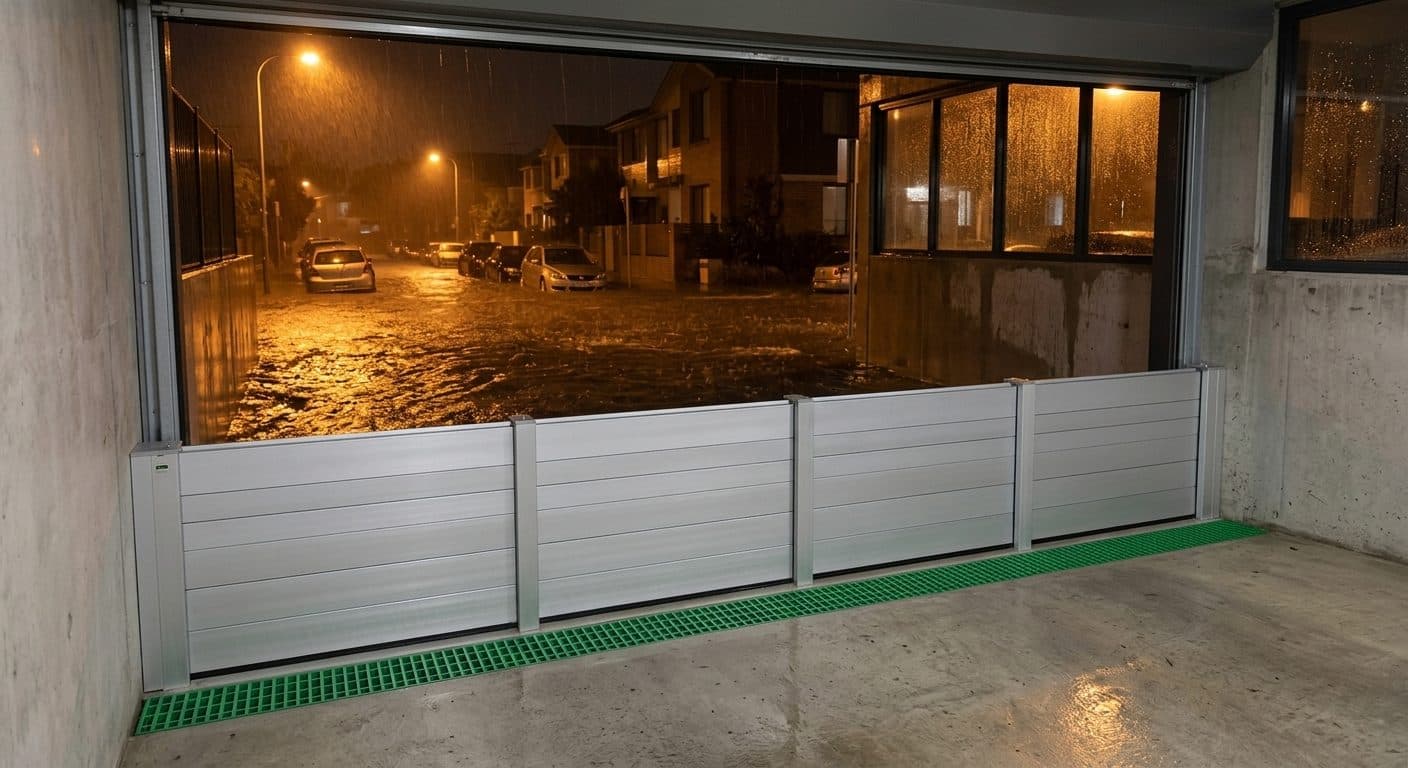
Panels of 200 mm (about 8 in) stack in fixed side channels to the height needed, up to 2,000 mm (about 6.5 ft). The black-and-yellow hazard strip on the top panel keeps the barrier visible in poor light.

Best for: Service doors and side entrances

View Aluminum Flood Barriers →
Water-Activated Sandbags

Water-Activated Sandbags

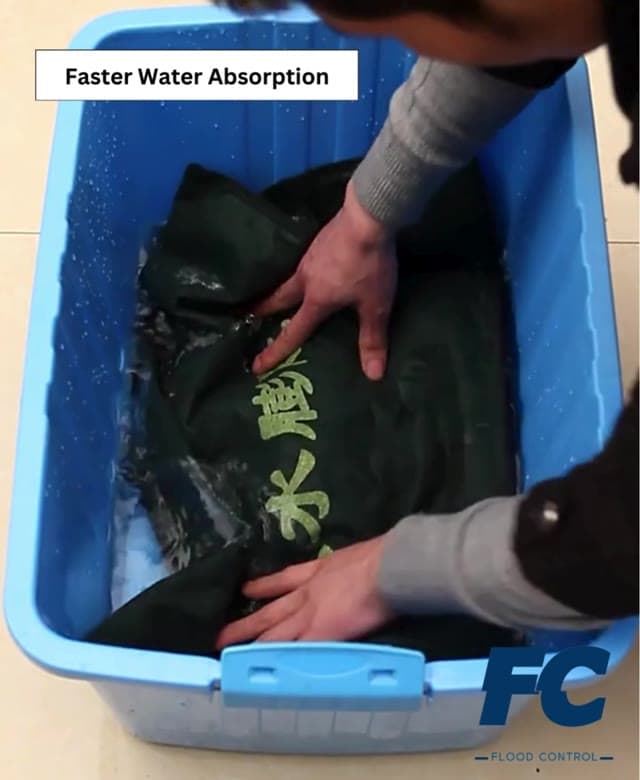
The bags store flat and swell on contact with fresh water in 2 to 3 minutes, with no sand or filling. They are reusable, hold back and divert water, and some seepage can occur.

Best for: Rapid response and gap filling

View Water-Activated Sandbags →

Choosing between them

A busy entrance that must stay open until the water arrives suits the passive barrier, because it sits flush and needs nobody to deploy it. A retrofit on an existing floor can be surface-mounted with a ramp each side, which may affect step-free access and needs checking.

Aluminum sets suit side doors and service entries that staff can close ahead of a forecast event. Water-activated sandbags are a stockpile for gaps, vents and unexpected low points.

Send the width of each entrance, photos, and the flood depth you want to hold back. Tell us about pedestrian flows and accessibility requirements too.

What we need to quote

  • Width and height of each opening
  • Photos of each opening and the ground on both sides
  • How high the water has reached before, or the flood height to plan for
  • Whether power is available at the opening, and what traffic crosses it
  • The city and country of the site
Request a Quote →

FAQ

Questions we hear about metro and subway stations

Can passengers walk over a passive barrier?
Yes. When lowered in a recessed installation the barrier lies flush with the floor under a patterned steel top plate, and an anti-slip coating is available. Surface-mounted versions need a ramp each side.
What happens if water rises faster than staff can respond?
The passive barrier does not need staff, as it lifts when floodwater reaches it. Demountable aluminum sets and sandbags do need people to place them. Many sites use a mix, with the self-activating barrier on the busiest entrances.
Are the barriers suitable for a station in an older building?
Often, though older entrances can have uneven floors or limited depth for a recess. A surface-mounted passive barrier or a made-to-measure aluminum set may suit these openings. We assess this from photos and measurements.

Send the opening sizes and a few photos.

We reply within 1 business day with a recommendation for each opening and a quote for the whole site.

Request a Quote